
In recent times, Kenya has witnessed a surge in political unrest and sporadic violence that pose a serious threat to businesses. From disruptive street protests to targeted attacks, these incidents highlight the urgent need for companies—especially small and medium enterprises (SMEs) in Nairobi—to safeguard their assets and operations. This article explores the political risk environment in Kenya, the impacts on local businesses, and how Political Violence Insurance can provide a much-needed safety net.
Kenya’s Recent Political Unrest and Business Impact
Kenya has experienced waves of political protests that escalated into violence, resulting in casualties and property damage. In June 2024, mass demonstrations against a controversial finance bill culminated on June 25, when security forces opened fire on protesters attempting to storm Parliament, leaving dozens dead. Fast forward one year: on June 25, 2025, thousands of Kenyans again took to the streets to mark the anniversary. Unfortunately, the 2025 protests also descended into chaos—at least 16 people were killed and over 400 injured amid clashes between protesters and police.
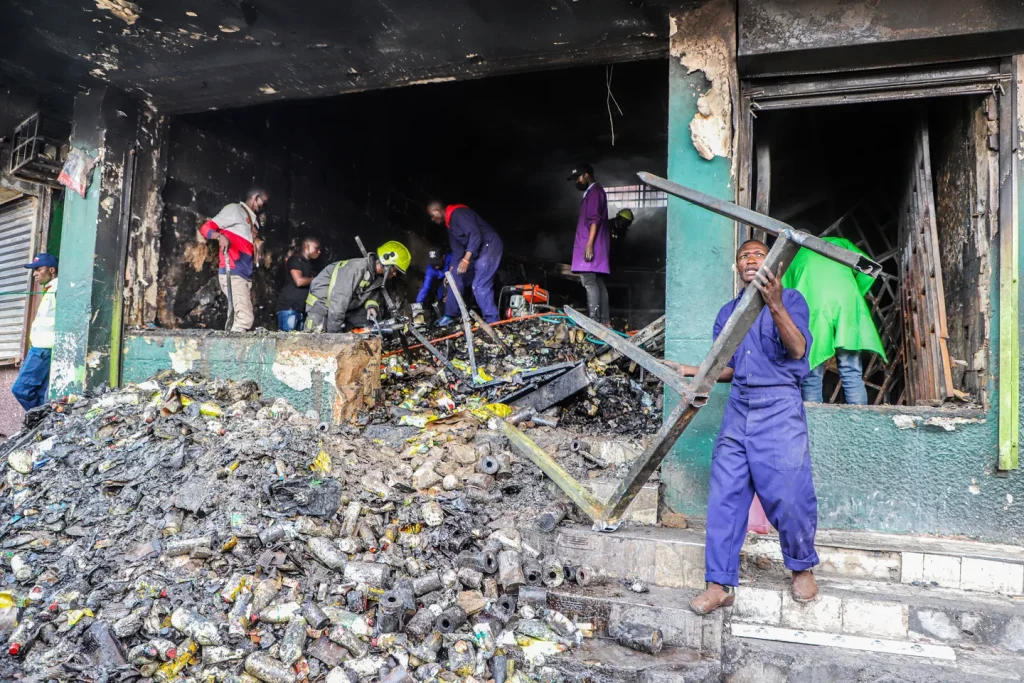
Beyond the tragic human toll, these events dealt a heavy blow to businesses, especially SMEs in Nairobi’s commercial districts. During the 2025 unrest, the capital’s downtown area became an epicenter of destruction. Entire shopping centers and many businesses were destroyed or left smoldering. Mobs looted supermarkets and small shops, and numerous buildings were set ablaze. In one incident, at least ten buildings were torched in central Nairobi, forcing shopkeepers to sift through charred wreckage the next day. Business owners recounted devastating losses—for example, a Nairobi print-shop owner lost equipment worth about USD 150,000, while another reported around KES 2 million (≈USD 15,500) in electronics stolen in minutes. Even major retailers were not spared; looters stripped shops along Moi Avenue and River Road clean.
The ripple effects extend beyond direct damage. City-wide protests forced many businesses to close for days or weeks. The Kenya Private Sector Alliance estimated that each day of unrest cost the economy roughly KES 3 billion in lost output as commerce ground to a halt. Transport disruptions—blocked roads, imposed curfews—choked supply chains, and sectors like tourism saw travelers steer clear of potential flashpoints. According to the Kenya Association of Manufacturers, the mid-2025 turmoil led to multi-billion-shilling losses, with SMEs—the backbone of Kenya’s economy—hit hardest. A survey found 60 percent of SMEs reported losses from operational disruptions, citing political unrest as a leading cause.
Unrest, Civil Disturbance, and Political Risk: A New Normal?
These cases show that political instability is not a distant “what if” but a current, recurring risk. High youth unemployment, rising living costs, contentious policy changes and perceived injustices have fueled periodic protests. Nairobi—home to the national government and many businesses—often becomes ground zero. While peaceful demonstrations are a democratic right, they can rapidly spiral into riots, clashes with security forces, arson and looting, as seen in 2024 and 2025.
Unfortunately, most Kenyan businesses remain uninsured or underinsured against these perils. Insurance penetration is low—only about 2.4 percent of businesses carry any cover—leaving the vast majority highly vulnerable. Those firms with specialized coverage bounced back faster. After the 2023–24 protests, one insurer paid out KES 150 million to a major supermarket chain for riot-related losses, enabling rapid restocking and reopening. Businesses without such cover struggled to secure funds for repairs or replacements, delaying reopening by months. The lesson is clear: political risk is real and here to stay. Companies must plan for it as they would for fire or flood.
What Is Political Violence Insurance?
Political Violence Insurance—sometimes called SRCC (Strikes, Riots and Civil Commotion) coverage—is a specialized policy that protects businesses from losses caused by politically motivated unrest or violence. If your enterprise suffers damage or disruption due to riots, demonstrations, targeted attacks, or terrorism, this insurance can compensate you so you can recover and rebuild.
Key Benefits:
• Property Damage Coverage
Covers repair or replacement of offices, shops or warehouses damaged by arson, vandalism or bomb blasts—crucial when unrest turns destructive.
• Business Interruption Losses
Compensates lost income during forced shutdowns (e.g., curfews, damaged premises), helping cover salaries and rent until you can resume operations.
• Theft and Looting Protection
Reimburses inventory or goods stolen during looting, which can otherwise wipe out an SME’s working capital in minutes.
• Third-Party Liability
Protects against claims if unrest-related damage or injuries extend beyond your property (for instance, if a fire spreads to a neighbor’s premises).
• Evacuation and Extra Expenses
Covers costs of evacuating staff, relocating operations temporarily or hiring additional security during high-risk periods.
• Terrorism and Sabotage
Includes cover for acts of terrorism or sabotage, which—while less frequent—remain a genuine risk in Kenya’s evolving security landscape.
In essence, Political Violence Insurance is a financial shield against turmoil, ensuring that even if the world around your business is upended, you have the means to repair, reopen and stay afloat.
Why Nairobi SMEs Should Act Now
SMEs form the backbone of Nairobi’s economy, yet they often operate on thin margins and lack contingency funds. Unlike large corporations, a small business may have a single storefront or local warehouse—so a single event can wipe out years of investment. Recent protests have shown how quickly shop windows can shatter, stock can be looted, and entire blocks can become off-limits under curfew.
Key reasons to secure political risk cover:
- High-Risk Locations
Businesses in busy commercial zones or near government offices are more likely to be caught in unrest. - Cash-Flow Vulnerability
Losing days of trade or footing repair costs out-of-pocket can be catastrophic for SMEs. - Supply-Chain Disruptions
Even undamaged premises can be isolated by roadblocks or transport shutdowns—business interruption cover steps in here. - Peace of Mind
With insurance in place, you can focus on growth, not “what-if” scenarios, knowing you’re protected financially if unrest erupts.
How to Build Resilience
- Risk Assessment
Map your exposure—location, foot traffic reliance, supply routes—and estimate potential losses if unrest strikes. - Consult a Broker
Work with an experienced insurance broker to tailor coverage to your SME’s size, operations and budget. Make sure the policy clearly includes strikes, riots, civil commotion and terrorism. - Secure Coverage Early
Policies must be in place before known events; don’t wait until tensions rise to seek cover. - Crisis Planning
Combine insurance with a basic emergency plan: safe evacuation routes, data backups and claims-filing procedures. - Stay Informed
Monitor political developments and heed advisories—early action can minimize damage, even if insurance will cover financial losses.
Conclusion: Don’t Let Political Chaos Derail Your Business
Political risk is an unfortunate reality in Kenya’s business landscape. Unrest, civil disturbances and targeted attacks can disrupt operations and destroy livelihoods—just ask Nairobi’s SMEs that suffered during June 2024 and June 2025 protests. But you don’t have to face these threats alone. Political Violence Insurance offers a lifeline, turning potentially ruinous events into manageable setbacks.
Protect your investment, your employees and your customers. Talk to a qualified broker today about adding SRCC or Political Violence cover to your existing insurance portfolio. With the right policy in place, you can weather Kenya’s political storms and focus on what matters most: growing your business.